
Download Slavery and Public History: The Tough Stuff of American Memory PDF Free - Full Version
Download Slavery and Public History: The Tough Stuff of American Memory by James Oliver Horton, Lois E. Horton in PDF format completely FREE. No registration required, no payment needed. Get instant access to this valuable resource on PDFdrive.to!
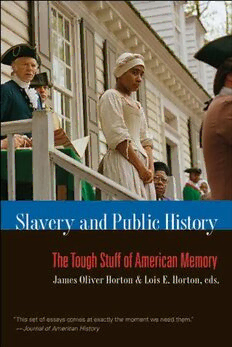
About Slavery and Public History: The Tough Stuff of American Memory
America's slave past is being analyzed as never before, yet it remains one of the most contentious issues in U.S. memory. In recent years, the culture wars over the way that slavery is remembered and taught have reached a new crescendo. From the argument about the display of the Confederate flag over the state house in Columbia, South Carolina, to the dispute over Thomas Jefferson's relationship with his slave Sally Hemings and the ongoing debates about reparations, the questions grow ever more urgent and more difficult.Edited by noted historians James Oliver Horton and Lois E. Horton, this collection explores current controversies and offers a bracing analysis of how people remember their past and how the lessons they draw influence American politics and culture today. Bringing together some of the nation's most respected historians, including Ira Berlin, David W. Blight, and Gary B. Nash, this is a major contribution to the unsettling but crucial debate about the significance of slavery and its meaning for racial reconciliation.Contributors:Ira Berlin, University of MarylanDavid W. Blight, Yale UniversityJames Oliver Horton, George Washington UniversityLois E. Horton, George Mason UniversityBruce Levine, University of IllinoisEdward T. Linenthal, University of Wisconsin-OshkoshJoanne Melish, University of KentuckyGary B. Nash, University of California, Los AngelesDwight T. Pitcaithley, New Mexico State UniversityMarie Tyler-McGraw, Washington, D.C.John Michael Vlach, George Washington University
Detailed Information
| Author: | James Oliver Horton, Lois E. Horton |
|---|---|
| Publication Year: | 2008 |
| ISBN: | 9781565849600 |
| Pages: | 289 |
| Language: | English |
| File Size: | 2.947 |
| Format: | |
| Price: | FREE |
Safe & Secure Download - No registration required
Why Choose PDFdrive for Your Free Slavery and Public History: The Tough Stuff of American Memory Download?
- 100% Free: No hidden fees or subscriptions required for one book every day.
- No Registration: Immediate access is available without creating accounts for one book every day.
- Safe and Secure: Clean downloads without malware or viruses
- Multiple Formats: PDF, MOBI, Mpub,... optimized for all devices
- Educational Resource: Supporting knowledge sharing and learning
Frequently Asked Questions
Is it really free to download Slavery and Public History: The Tough Stuff of American Memory PDF?
Yes, on https://PDFdrive.to you can download Slavery and Public History: The Tough Stuff of American Memory by James Oliver Horton, Lois E. Horton completely free. We don't require any payment, subscription, or registration to access this PDF file. For 3 books every day.
How can I read Slavery and Public History: The Tough Stuff of American Memory on my mobile device?
After downloading Slavery and Public History: The Tough Stuff of American Memory PDF, you can open it with any PDF reader app on your phone or tablet. We recommend using Adobe Acrobat Reader, Apple Books, or Google Play Books for the best reading experience.
Is this the full version of Slavery and Public History: The Tough Stuff of American Memory?
Yes, this is the complete PDF version of Slavery and Public History: The Tough Stuff of American Memory by James Oliver Horton, Lois E. Horton. You will be able to read the entire content as in the printed version without missing any pages.
Is it legal to download Slavery and Public History: The Tough Stuff of American Memory PDF for free?
https://PDFdrive.to provides links to free educational resources available online. We do not store any files on our servers. Please be aware of copyright laws in your country before downloading.
The materials shared are intended for research, educational, and personal use in accordance with fair use principles.

