Table Of ContentSALAMANDRA 54(4) 233–A2 4n8ew sp3e0c iOesc otof bbelur n2t0-1n8osed IvSipSNer 0o0f 3t6h–e 3g3e7n5us Macrovipera in Iran
Molecular and morphological analyses have revealed a new species
of blunt-nosed viper of the genus Macrovipera in Iran
Hamzeh Oraie1,2, Eskandar Rastegar-Pouyani3, Azar Khosravani2, Naeim Moradi4,
Abolfazl Akbari5, Mohammad Ebrahim Sehhatisabet7,Soheila Shafiei6,
Nikolaus Stümpel8 & Ulrich Joger8
1) Department of Zoology, Faculty of Science, Shahrekord University, Shahrekord, Iran
2) Department of Biodiversity, Institute of Biotechnology, Shahrekord University, Shahrekord, Iran
3) Department of Biology, Faculty of Science, Hakim Sabzevari University, Sabzevar, Iran
4) Iranian Plateau Herpetology Research Group (IPHRG), Faculty of Sciences, Razi University, 6714967346 Kermanshah, Iran
5) Department of Venomous Animals and Antisera Production, Razi Vaccine and Serum Research Institute, Karaj, Iran
6) Provincial Office of Kerman, Department of the Environment, Iran
7) Department of Biology, Faculty of Sciences, Shahid Bahonar University of Kerman, Iran
8) State Natural History Museum, Brunswig, Germany
Corresponding author: Eskandar Rastegar-Pouyani, e-mail: [email protected]
Both first authors contributed equally to this manuscript
Manuscript received: 27 December 2017
Accepted: 26 September 2018 by Philipp Wagner
Abstract. A new species of blunt-nosed viper of the genus Macrovipera is described from the central and southern parts
of Iran on the basis of morphological and molecular examination. The mitochondrial Cytb gene was used to investigate
phylogenetic relationships amongst the Iranian species of the genus Macrovipera. A dataset with a final sequence length
of 1043 nucleotides from 41 specimens from 18 geographically distant localities across Iran was generated. The findings
demonstrated that two major clades with strong support can be identified within the genus Macrovipera in Iran. One clade
consists of individuals belonging to a new species, which is distributed in the central and southern parts of Iran; the second
clade includes two discernible subclades. The first subclade is distributed in western and northwestern Iran, Macrovipera
lebetina obtusa, and the second subclade consists of northeastern populations, representing Macrovipera lebetina cernovi.
The new species, Macrovipera razii sp. n., differs from its congeners by having higher numbers of ventral scales, elongated
anterior chin-shields, and lower numbers of canthal plus intersupraocular scales.
Key words. Squamata, Serpentes, Viperidae, Macrovipera, new species, mitochondrial Cytb, phylogeny, taxonomy, Iran.
Introduction Fatehi 2004, Stümpel & Joger 2009, Moradi et al. 2014).
Nevertheless, there has been disagreement with regard to
Blunt-nosed vipers of the genus Macrovipera Reuss, 1927 the taxonomic position of some nominal taxa of the ge-
are widely distributed across North Africa, some islands in nus Macrovipera. Two species are widely recognized (Uetz
the eastern Mediterranean Sea, the Levant, various Mid- & Hošek 2016), although M. schweizeri, with its restrict-
dle Asian countries, ranging as far east as Kashmir in In- ed distribution on a few islands in the western Cyclades, is
dia and south to Yemen (Joger 1984, McDiarmid et al. recognized only as a subspecies of M. lebetina by some au-
1999, Khan 2004, Ananjeva et al. 2006, Stümpel & Joger thors (Lenk et al. 2001; Stümpel & Joger 2009).
2009). The genus has its main distribution area in Asia, Currently, Macrovipera lebetina is the only valid species
where these snakes can be found in foothill, mountain, that occurs predominantly in Asia, a region where several
semi-desert and steppe habitats (Nilson & Andren 1988, morphotypes are found (Joger 1984, Nilson & Andren
Stümpel & Joger 2009). During the past three decades, 1988, Stümpel & Joger 2009). During the last few dec-
much research has been done on different aspects of the ades, M. lebetina has been subdivided into several sub-
biology (e.g., ecology, taxonomy, phylogeny, toxicology) of species, some of which have been shown to be valid taxa
members of this genus (for instance, Joger 1984, Nilson & whereas others have been synonymized (Nilson & An-
Andren 1988, Al Oran et al. 1998, Fatehi Hassanabad & dren 1988, Stümpel & Joger 2009). In one of the most
© 2018 Deutsche Gesellschaft für Herpetologie und Terrarienkunde e.V. (DGHT), Mannheim, Germany
Available at http://www.salamandra-journal.com 233
Hamzeh Oraie et al.
comprehensive molecular studies on the blunt-nosed vi- otide sequences of Macrovipera lebetina from Azerbaijan
per, the validity of four subspecies, i.e., lebetina, obtusa, tu (KJ415300) and Uzbekistan (KJ415301) were retrieved from
ranica and cernovi was verified (Stümpel & Joger 2009, the NCBI databases (deposited by Zinenko et al. 2015) and
Stümpel 2012). Stümpel (2012) also identified a clade of included in the analysis. Montivipera raddei (KX168762.1)
Macrovipera (represented by one sample) from the moun- and Montivipera xanthina (KX168811.1) were chosen as
tains of southern Iran, which showed a high mitochondrial outgroup taxa for all analyses, because Montivipera most
distance from typical M. lebetina. Further molecular stud- likely is the sister-group of Macrovipera (Lenk et al. 2001,
ies on the Iranian populations of M. lebetina were not con- Wüster et al. 2008, Stümpel & Joger 2009). Genetic dis-
ducted until now, and two subspecies of M. lebetina, M. l. tances within and between recovered clades were calculat-
obtusa and M. l. cernovi, were believed to be the only rep- ed using Mega 7 (Kumar et al. 2016). A statistical parsimo-
resentatives of blunt-nosed vipers in Iran (Rastegar Pou- ny network was inferred with TCS v.1.21 (Clement et al.
yani et al. 2008, Moradi et al. 2014, Safaei-Mahroo et 2000), using the default 0.95 probability connection limit.
al. 2015). A quantitative morphological study suggests that For Maximum Likelihood and Bayesian analysis, param-
populations of M. lebetina in Iran could be divided into eters of the model were estimated from the data set using
three distinct forms, with one of them being a potentially JModeltest 2.1.4 (Darriba et al. 2012). The selected mod-
new taxon (Moradi et al. 2014). The need for a compre- el under Akaike information index was GTR. Phylogenet-
hensive study of the Iranian populations of Macrovipera is ic analyses were performed using Maximum Parsimony
highlighted by those studies. (MP), Bayesian Inference (BI), and Maximum Likelihood
Here, we analysed sequences of the mitochondrial Cytb (ML). PAUP* v.4.0 (Swofford 2002) was employed for
gene along with morphological data in order to test the hy- the MP, with reliability being assessed by nonparametric
pothesis that some central and southern Iranian popula- bootstrapping with 2000 replicates. The MP analysis was
tions of Macrovipera lebetina could represent a new taxon. performed with all sites weighted equally, with the tree-
bisection-reconnection (TBR) algorithm for branch swap-
ping. Bayesian analyses were performed on MrBayes v.3.2.5
Material and methods
Sample collection and molecular analyses
In order to examine the phylogenetic relationships within
and between Macrovipera populations in Iran, 41 individ-
uals from 18 geographically distant localities throughout
the range were used in a molecular study (Table 1, Fig. 1).
Specimens were collected within the framework of the Ira-
nian herpetofauna project between 2002 and 2015. Many of
the specimens were released in their natural habitats after
blood and muscle (tail clips) samples had been taken. All
tissue samples were deposited in the Hakim Sabzevari Uni-
versity Herpetological Collection (SUHC), Sabzevar, Iran,
and kept at -20°C in absolute ethanol until DNA extrac-
tion. Genomic DNA was extracted from tissue samples us-
ing proteinase K digestion (10 Mm Tris–HCL Ph 8.0, 50
Mm EDTA PH 8.0, 10 Mm NaCl, 0.5% SDS, 0.1 M DTT,
and 10 U of 10 Mgr/ML Proteinase K) followed by an Am-
monium Acetate-Extraction protocol (Kapli et al. 2013).
The primers F1_Cytb (5’-TGA GGC CTG AAA AAC CAC
Figure 1. Sampling locations of Macrovipera spp. used in mo-
CGT TG-3’) and RB_Cytb (5’- CCA TCT TCG ATT TAC
lecular analysis from throughout its distribution range in Iran.
AAG GAC GAT GC-3’) were used for amplifying the par-
Information on the localities is given in Table 1. ▲ Macrovipera
tial sequence of the mitochondrial cytochrome b gene razii sp. n., ● Macrovipera lebetina obtusa and ■ Macrovipera
(Stümpel 2012). PCR was performed in a total volume of lebetina cernovi. (1) Fars Province, Bamoo National Park; (2) Fars
20 µl, containing 10 µl ready-to-use Taq DNA Polymer- Province, Bakhtegan National Park; (3) Fars Province, Ghatroyeh;
ase Master Mix RED (Amplicon, Cat Number: A180301), (4) Yazd Province, Baghe-Shadi Protected Area; (5) Kerman
1 µl of each primer (10 pM/ml), 1 µl of DNA (>50 ng/ml), Province, north of Sirjan; (6) Kerman Province, Khabr National
and 7 µl DD water. We followed amplification conditions Park; (7) Kerman Province, Bab-Gorgi village; (8) North Kho-
rasan Province, Dorbadam protected area; (9) Razavi Khorasan
as described by Stümpel (2012). PCR products were sub-
Province, Sabzevar to Neyshabur; (10) Razavi Khorasan Prov-
sequently purified and sequenced on an automated se-
ince, Mashhad; (11) Razavi Khorasan Province, Soltanabad;
quencer ABI 3730XL (Macrogen, South Korea) according
(12) Razavi Khorasan Province, Zaman Abad; (13) Razavi Kho-
to manufacturer’s protocols. DNA sequences were aligned
rasan Province, Sar Rud; (14) Gazvin Province, northern Gazvin;
using the ClustalX program incorporated in Bioedit (Hall (15) Alborz Province, Karaj; (16) Markazi Province, Chahar Had
1999) using default parameters. Additional Cytb nucle- village (17) Tehran Province, Lavasan; (18) Ilam Province.
234
A new species of blunt-nosed viper of the genus Macrovipera in Iran
Table 1. List of specimens used in molecular analysis along with the localities and NCBI accession numbers. Taxon names correspond
to changes proposed in this paper. ERP refers to field numbers of specimens that are now deposited in the Hakim Sabzevari University
Herpetological Collection (SUHC).
Species Voucher Locality Locality Lat/long NCBI
specimens number Accession
Numbers
Macrovipera razii sp. n. SUHC (ERP)1981 1 Iran, Fars Province, Bamoo National Park 29°41’/52°38’ MF445994
Macrovipera razii sp. n. SUHC (ERP) 1518 2 Iran, Fars Province, Bakhtegan National Park, 29°33’/53°39’ MF445990
Tolombeh-Badi region
Macrovipera razii sp. n. SUHC (ERP) 1531 3 Iran, Fars Province, Ghatroyeh, 29°20’/54°38’ MF445991
Bahrame-Goor National Park
Macrovipera razii sp. n. SUHC (ERP) 3183 4 Iran, Yazd Province, 40km West of Harat, 30°03’/54°14’ MF445992
Baghe-Shadi Protected Area
Macrovipera razii sp. n. SUHC (ERP) 1941 5 Iran, Kerman Province, 50 Km North of 29°59’/55°36’ MF445993
Sirjan
Macrovipera razii sp. n. SUHC (ERP) 2376 6 Iran, Kerman Province, Khabr National park 28°44’/56°26’ MF445995
Macrovipera razii sp. n. SUHC (ERP) 143 7 Iran, Kerman Province, on the road of Jiroft 29°05’/57°34’ MF445989
to Bam, Around Bab-Gorgi village
Macrovipera lebetina cernovi SUHC (ERP) 696 8 Iran, North Khorasan Province, Quchan, 37°30’/58°27’ MF445997
Dorbadam protected area
Macrovipera lebetina cernovi SUHC (ERP) 975 9 Iran, Razavi Khorasan Province, on the road 36°05’/57°59’ MF446000
of Sabzevar to Neyshabur
Macrovipera lebetina cernovi SUHC (ERP) 1118 10 Iran, Razavi Khorasan Province, Mashhad 36°24’/59°13’ MF446004
Macrovipera lebetina cernovi SUHC (ERP) 1366 11 Iran, Razavi Khorasan Province, South 35°39’/59°11’ MF446005
Neyshabur, Soltanabad
Macrovipera lebetina cernovi SUHC (ERP) 1470 12 Iran, Razavi Khorasan Province, South 35°35’/56°46’ MF446006
Sabzevar, Zaman Abad
Macrovipera lebetina cernovi SUHC (ERP) 3426 13 Iran, Razavi Khorasan Province, 36°48’/59°50’ MF446007
Kalat Naderi, Sar Rud
Macrovipera lebetina cernovi SUHC (ERP) 3427 13 Iran, Razavi Khorasan Province, 36°48’/59°50’ MF446008
Kalat Naderi, Sar Rud
Macrovipera lebetina cernovi SUHC (ERP) 3428 13 Iran, Razavi Khorasan Province, 36°48’/59°50’ MF446009
Kalat Naderi, Sar Rud
Macrovipera lebetina cernovi SUHC (ERP) 3429 13 Iran, Razavi Khorasan Province, 36°48’/59°50’ MF446010
Kalat Naderi, Sar Rud
Macrovipera lebetina cernovi SUHC (ERP) 665 – Iran, unspecified locality in Khorasan MF445996
Province
Macrovipera lebetina cernovi SUHC (ERP) 936 – Iran, unspecified locality in Khorasan MF445998
Province
Macrovipera lebetina cernovi SUHC (ERP) 937 – Iran, unspecified locality in Khorasan MF445999
Province
Macrovipera lebetina cernovi SUHC (ERP) 986 – Iran, unspecified locality in Khorasan MF446003
Province
Macrovipera lebetina cernovi SUHC (ERP) 992 – Iran, unspecified locality in Khorasan MF446001 MF446001
Province
Macrovipera lebetina cernovi SUHC (ERP) 993 – Iran, unspecified locality in Khorasan MF446002 MF446002
Province
Macrovipera lebetina obtusa SUHC (ERP) 3422 14 Iran, Gazvin Province, north Gazvin, on the 36°25'/50°32' MF446014
road to Alamout
Macrovipera lebetina obtusa SUHC (ERP) 3423 14 Iran, Gazvin Province, north Gazvin, on the 36°25'/50°32' MF446015
road to Alamout
Macrovipera lebetina obtusa SUHC (ERP) 3424 14 Iran, Gazvin Province, north Gazvin, on the 36°25'/50°32' MF446016
road to Alamout
Macrovipera lebetina obtusa SUHC (ERP) 3425 15 Iran, Alborz Province, Karaj 35°56'/50°57' MF446017
Macrovipera lebetina obtusa SUHC (ERP) 3438 15 Iran, Alborz Province, Karaj, on the road 35°56'/50°57' MF446026
to Baraghan
235
Hamzeh Oraie et al.
Species Voucher Locality Locality Lat/long NCBI
specimens number Accession
Numbers
Macrovipera lebetina obtusa SUHC (ERP) 3439 15 Iran, Alborz Province, Karaj, on the road 35°56'/50°57' MF446027
to Baraghan
Macrovipera lebetina obtusa SUHC (ERP) 3440 15 Iran, Alborz Province, Karaj, on the road 35°56'/50°57' MF446028
to Baraghan
Macrovipera lebetina obtusa SUHC (ERP) 3441 15 Iran, Alborz Province, Karaj, on the road 35°56'/50°57' MF446029
to Baraghan
Macrovipera lebetina obtusa SUHC (ERP) 3430 16 Iran, Markazi Province, northwest of Saveh, 35°21'/49°33' MF446018
near Chahar Had village
Macrovipera lebetina obtusa SUHC (ERP) 3431 16 Iran, Markazi Province, northwest of Saveh, 35°21'/49°33' MF446019
near Chahar Had village
Macrovipera lebetina obtusa SUHC (ERP) 3432 16 Iran, Markazi Province, northwest of Saveh, 35°21'/49°33' MF446020
near Chahar Had village
Macrovipera lebetina obtusa SUHC (ERP) 3433 16 Iran, Markazi Province, northwest of Saveh, 35°21'/49°33' MF446021
near Chahar Had village
Macrovipera lebetina obtusa SUHC (ERP) 3434 16 Iran, Markazi Province, northwest of Saveh, 35°21'/49°33' MF446022
near Chahar Had village
Macrovipera lebetina obtusa SUHC (ERP) 3435 16 Iran, Markazi Province, northwest of Saveh, 35°21'/49°33' MF446023
near Chahar Had village
Macrovipera lebetina obtusa SUHC (ERP) 3436 16 Iran, Markazi Province, northwest of Saveh, 35°21'/49°33' MF446024
near Chahar Had village
Macrovipera lebetina obtusa SUHC (ERP) 3437 17 Iran, Trehran Province, Lavasan 35°48'/51°37' MF446025
Macrovipera lebetina obtusa SUHC (ERP) 1065 18 Iran, Ilam Province 33°30'/46°34' MF446011
Macrovipera lebetina obtusa SUHC (ERP) 2523 18 Iran, Ilam Province 33°30'/46°34' MF446012
Macrovipera lebetina obtusa SUHC (ERP) 2552 18 Iran, Ilam Province 33°30'/46°34' MF446013
(Ronquist et al. 2012). Four incrementally heated Mar- Table 2. The 13 localities of Macrovipera lebetina used in mor-
kov chains with the default heating values were used. The phological study.
analysis started with randomly generated trees and ran for
8×10⁶ generations in two independent runs with samplings No.Locality Sample size
at intervals of 100 generations. After verifying that station-
Males Females
arity had been reached, both in terms of likelihood scores
1 Kalate Naderi, Khorasan Province 9 18
and parameter estimation, the initial 25% of the samples
were discarded as burn-in and a majority rule consensus 2 Gonbade Kavoos, Golestan Province 2 4
tree was generated from the remaining post-burn-in trees. 3 Gorgan, Golestan Province – 6
The frequency of any particular clade among the individ- 4 Karaj,Elborz Province – 1
ual trees contributing to the consensus tree represents the 5 Gazvin, Gazvin Province – 1
posterior probability of that clade (Huelsenbeck & Ron- 6 Khalkhal, Ardabil Province 1 –
quist 2001); only values equal or > 95% were considered 7 Abhar, Ardabil Province – 1
to indicate sufficient support (Wilcox et al. 2002). An ML
8 Mianeh, East Azarbaijan Province 6 4
analysis was performed using RaxML GUI v. 0.95 (Silves-
9 Dom-Gheshlagh, West Azarbaijan Province 1 2
tro & Michalak 2012) with the ‘GTRGAMMA’ option
10 Uromieh, West Azarbaijan Province – 1
and 1000 bootstrap replicates. We used the estimates of the
11 Hamadan, Hamadan Province 4 –
age of the split and separation between Montivipera and
12 Kermanshah, Kermanshah Province 1 1
Macrovipera as the calibration point, assuming this separa-
tion occurred 15.3 million years ago (Stümpel et al. 2016). 13 Nahavand, Hamadan Province 1 –
Total 25 39
Morphological analyses new species described herein, holotype (SUHC 143), para-
type (SUHC 1941), and an individual from Kerman (SUHC
Material for the morphological examinations included 64 2377). These specimens were deposited in the Hakim
alcohol-preserved specimens from the Zoological Collec- Sabzevari University Herpetological Collection (SUHC),
tions of the Department of Venomous Animals and Anti- Sabzevar, Iran. Long-term preservation of alcohol-pre-
sera Production, Razi Vaccine and Serum Research Insti- served specimens at the Razi Vaccine and Serum Research
tute (Table 2) along with three specimens belonging to the Institute is the main obstacle in using them for molecular
236
A new species of blunt-nosed viper of the genus Macrovipera in Iran
surveys in this study. The following morphological char- cal Nomenclature, and hence the names contained here-
acters were measured on the right side of each specimen in are available under that Code. This published work and
using Vernier calipers with an accuracy to the nearest 0.01 the nomenclatural acts it contains have been registered in
mm: snout–vent length (SVL), measured from tip of snout ZooBank (www.zoobank.org), the online registration sys-
to vent; tail length (TL) from vent to tip of tail; head length tem of the ICZN. The LSID (Life Science Identifier) for
(HL) from tip of snout to angle of jaws; head width (HW); this publication is: urn: lsid: zoobank.org: pub:149C66E9-
head height (HH); snout length (SL), distance between ros- 455C-4EB3-8071-FB5F68CAA57C. The electronic edition
trum to the anterior margin of eye; distance between nos- of this work has also been published in a journal with an
trils (DBN); interocular distance (IOD). ISSN, has been archived, and is available from the follow-
In addition to the metric continuous variables, the fol- ing digital repository: www.salamandra-journal.com.
lowing meristic variables were collected by the same per-
son (HO) using a stereomicroscope: Number of preventral
scales (PreV); number of ventral scales (Ven); number of Results
subcaudal scales (Scd); number of dorsal scale rows, count- Molecular analyses
ed across at 10% of the body length, approximately one head
length behind the posterior end of head (Sq1); number of We generated a total of 41 new sequences that were depos-
dorsal scale rowsacross mid-body (Sq2); number of dor- ited in GenBank (Table 1). A dataset with the final sequence
sal scale rowsat 90% of the body length, approximately one length of 1045 nucleotides (148 nt variable; 124 nt parsimo-
head length before the anal scute (Sq3); number of apical ny informative; 895 nt conserved) was generated for Cytb.
scales (Ap); number of canthal scales (Can); number of No indel was found in the aligned sequences. Translation
canthal + intersupraocular scales (InCanSup); number of to protein did not reveal any unexpected stop codons, sup-
scales between oculars at level of the centre of the eye (In- porting the assumption that our Cytb dataset coded for
teroculars); number of scales between the last supralabi- functional mitochondrial Cytb and does not contain nu-
als across the head (Blspl); number of supralabials (Spl); clear copies. Nucleotide composition analyses revealed 36
number of sublabials (infralabials) (Ifl); number of inner haplotypes, a haplotype diversity of 0.989, and an average
circumocular scales (inCir); number of outer circum- of 0.436 for the GC content.
ocular scales (around eye and supraocular scales) (out- To resolve the phylogenetic structure of Macrovipera
Cir); number of loreals (Lor); number of supraoculars (Su- populations in Iran based on Cytb sequences, phyloge-
praoc). netic trees were calculated under MP and ML criteria,
A final dataset comprising 109 individuals, including as well as by Bayesian inference. All phylogenetic analy-
some data from Moradi et al. (2014), was compiled for ses showed branch patterns that were identical in their
statistical analyses. To this end, all Iranian individuals of general structure. Therefore, only the (ML) is presented
Macrovipera spp. were categorized into three groups, i.e., in Fig. 2. Corrected genetic divergence (K2-p distances)
Macrovipera lebetina cernovi, Macrovipera lebetina obtusa, between the clades as revealed by phylogenetic analysis
and “potentially new”, following morphological keys. The along with the outgroup taxa are shown in Table 3. Aver-
latter included the holotype and paratype specimens of the age genetic divergences between clades were from 3.9 to
new species along with samples that were named as an un- 15.8% (see Table 3).
known species by Moradi et al. (2014). The phylogenetic trees provided strong support for the
Our data met the assumptions appropriate for paramet- monophyly of Macrovipera populations relative to the out-
ric analyses. Statistical analyses were performed using the group taxa, Montivipera raddei and Montivipera xanthina
SPSS (ver. 16.0, SPSS Inc., Chicago, IL, USA), PAST (ver. (Fig. 2). In support of our hypothesis, according to the phy-
3.18), and S-PLUS (ver. 8.0, Halcyon Software, Inc., Cam- logenetic tree (Fig. 2), the existence of two distinct lineages
bridgeshire, UK) software applications. The eight metric of Macrovipera (Clade A and B) was discovered with high
and 17 meristic characters were analysed independently. statistical support, MP (100%), PP (1), and ML (100%).
We used ANOVA to detect the degree of differentiation There is more than 10% genetic divergence (K2-p distanc-
between the three prior groups. In order to avoid effects of es) between Clades A and B (Table 3). This finding implies
body size on the analysis, we calculated the residual values a deep divergence between Macrovipera populations in
of each metric character as a function of SVL. The Prin- Iran and reveals an entity (Clade A) that is new to the Ira-
cipal Components Analysis (PCA) and canonical variable nian herpetofauna. Clade A was distinct with highest sup-
analysis (CVA) based on a variance-covariance matrix of port (Fig. 2) and includes populations that are distributed
meristic data were used to test our null hypothesis. The sig- widely in the central and southern parts of Iran (Fig. 1).
nificance level for all the statistical tests were set at p = 0.05. Within-group genetic divergence in this group is 0.7 %.
Another major lineage (Clade B) with an extensive dis-
tribution range from western to northeastern Iran is di-
Nomenclatural acts vided into sublineages B and B with high support values
1 2
(Fig. 2). Genetic distance (K2-p distances) between Sub-
The electronic edition of this article conforms to the re- clades B and B is less than 4 % (Table 3). Subclade B is a
1 2 1
quirements of the amended International Code of Zoologi- cluster of individuals from various populations native to
237
Hamzeh Oraie et al.
western and northern Iran, represented by numbers 14, 15, This subclade consists of a specimen from Uzbekistan
16 and 17 (Fig. 1). Interestingly, a specimen from Azerbai- (KJ415301), which is placed in a basal position, with a high
jan (KJ415300) was nested within Subclade B with close value of support.
1
relationships to a northern Saveh population (number 16
in the map; see Fig. 1). It represents haplotype 4, which oc-
curred in northern Saveh with three representatives (ERP Morphology
3434, ERP 3435 and ERP 3436). The northern Saveh pop-
ulation shows the greatest haplotype diversity among the Descriptive parameters of metric and meristic charac-
studied populations of Subclade B in Iran, as is illustrated ters and the results of our Analysis of Variance (ANOVA)
1
by numbers 8, 9, 10, 11, 12 and 13 (Fig. 1). Haplotype net- are presented in Table 4. We used t-tests to investigate the
work reconstruction using TCS1 provides support for the degree of sexual dimorphism between male and female
hypothesis that northern Saveh could be the ancestral re- specimens. Although there is no significant difference be-
gion of Subclade B. tween males and females except in ScD, multivariate anal-
1
Subclade B includes populations distributed mainly in yses were conducted for each sex separately. The Principal
2
northeastern Iran, with weak phylogenetic structure. There Components Analysis (PCA) based on a variance-covar-
is just 0.2 % within-group genetic divergence in this group. iance matrix of meristic data was used to explore differ-
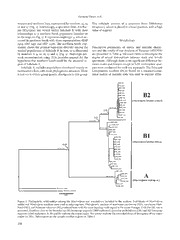
Figure 2. Phylogenetic relationships among the Macrovipera spp. populations included in the analysis. Individuals of Montivipera
raddei and Montivipera xanthina were used as outgroup taxa. Phylogenetic analyses of maximum parsimony (MP), maximum likeli-
hood (ML), and Bayesian inference (BI) produced trees with the same topology with regard to the major lineages. Only the ML tree is
presented. Numbers close to the branches are ML bootstrap supports (1000 replicates), posterior probabilities of BI, and MP bootstrap
supports (1000 replicates). A, B1 and B2 indicate the major clades. The arrows indicate the estimated times of divergence of the major
clades (in MA). Information on the sample number is given in Table 1.
238
A new species of blunt-nosed viper of the genus Macrovipera in Iran
Table 3. Corrected genetic distances (Kimura 2 parameters) among Macrovipera razii sp. n., two subspecies of M. lebetina, along with
Montivipera raddei and M. xanthina as outgroup taxa inferred from Cyt-b gene.
n species 1 2 3 4 5 6
1 Montivipera raddei
2 Montivipera xanthina 0.099
3 Macrovipera razii sp. n. 0.158 0.149
4 Macrovipera lebetina cernovi 0.151 0.161 0.114
5 Macrovipera lebetina obtusa 0.141 0.143 0.105 0.039
6 Macrovipera lebetina from Uzbekistan 0.142 0.145 0.106 0.028 0.043
7 Macrovipera lebetina from Azerbaijan 0.140 0.143 0.104 0.041 0.006 0.044
ences between Iranian populations of Macrovipera lebetina to further evaluate variation, the three clusters of meris-
and the new species described herein at multivariate level. tic characters indicated by the PCA were used as a priori
The first two principal components address 58.04 and 61.60 groups for a CVA of these traits (Table 6). The classifica-
% of the total variation in males and females, respectively tion results and predicted group membership showed that,
(Table 5). The newly described species is obviously sepa- in total, 84.38and 88.64% of the originally grouped males
rated from other populations, morphologically support- and females, respectively, were correctly classified (Fig. 4
ing the hypothesis that it is indeed new (Fig. 3). In order and Table 7).
Figure 3. Ordination of individuals on the first two principal components based on meristic characters in males and females, re-
spectively. The first two principal components address 58.04 and 62.16 % of the total variation in males and females, respectively.
The new species, Macrovipera razii sp. n., is obviously separated from Iranian populations of M. lebetina. ▲ Macrovipera razii sp. n.,
● Macrovipera lebetina obtusa, and ■ Macrovipera lebetina cernovi.
239
Hamzeh Oraie et al.
Table 4. ANOVA comparison of meristic and morphometric characters including minimum, maximum, mean and standard deviation
(SD) in Macrovipera spp. in Iran.
Character Sex M. lebetina obtusa M. lebetina cernovi Macrovipera razii sp. n. ANOVA
(Males = 15, Females = 30) (Males = 15, Females = 22) (Males = 14, Females = 13) statistics
Mean±SD Min.–Max. Mean±SD Min.–Max. Mean±D Min.–Max. F Sig.
SVL F 961.67±171.39 660–1370 1052.50±137.66 770–1270 921.15±177.27 550–1155 3.23 .046
M 1013±187.36 720–1260 1065.33±192.35 695–1290 1081.43±185.1 660–1360 .53 .594
Tal/SVL F .127±.012 .102–.153 .141± .016 .118–.176 .134± .012 .114–.155 6.415 .003
M .139±.009 .119–.155 .140±.010 .116–.156 .131±.016 .102–.162 2.884 .067
HL/SVL F .0444±.005 .021–.052 .046±.002 .041–.050 .047±.003 .041–.053 3.511 .036
M .043±.003 .039–.051 .044±.004 .034–.050 .043±.003 .040–.051 .181 .835
HW/SVL F .028±.004 .022–.040 .032±.003 .025–.039 .025±.002 .021–.028 16.79 .000
M .029±.003 .022–.035 .029±.005 .023–.039 .026±.004 .021–.037 3.076 .057
HH/SVL F .014±.002 .011–.019 .015±.002 .012–.018 .015±.002 .014–.019 3.443 .038
M .013±.001 .011–.016 .015±.002 .013–.020 .014±.001 .012–.018 4.342 .019
DBN/SVL F .008±.000 .006–.010 .009±.001 .007–.012 .009±.001 .009–.011 3.905 .025
M .008±.000 .007–.010 .009±.000 .008–.012 .009±.000 .008–.011 5.196 .010
IOD/SVL F .016±.001 .013–.022 .017±.002 .014–.019 .017±.001 .015–.020 .525 .594
M .016±.002 .013–.020 .016±.001 .013–.020 .016±.002 .013–.020 1.005 .375
SL/SVL F .012±.001 .010–.015 .013±.001 .011–.014 .013±.001 .012–.015 2.121 .128
M .012±.001 .010–.014 .013±.001 .012–.015 .012±.001 .011–.014 1.884 .165
Pre F 3.17±1.26 1–5 3.23±1.06 1–5 4.69±.63 3–5 9.71 .000
M 2.93±1.03 2–5 3.53±1.12 1–5 4.00±1.41 1–5 2.90 .066
Ven F 167.57±2.11 164–172 167.27±1.69 164–171 175.54±1.76 171–179 93.26 .000
M 168.33±2.71 164–173 167.67±2.22 164–172 173.64±2.20 171–178 26.7 .000
Scd F 43.83±4.14 29–50 45.55±2.74 40–49 46.15±3.31 42–52 2.51 .089
M 46.67±2.29 43–50 46.80±2.11 44–52 47.00±4.20 35–53 .05 .956
Sq1 F 22.53±2.04 18–25 22.05 - 1.84 19–25 24.38±1.26 23–27 6.89 .002
M 22.67±1.88 19–25 23.20±1.52 20–25 24.35±.92 23–25 4.74 .014
Sq2 F 24.60±1.16 22–27 24.82±1.14 23–29 25.15±.555 25–27 1.24 .295
M 24.47±1.36 20–26 24.87±.74 24–27 25.07±.62 24–27 1.48 .241
Sq3 F 19.27±.87 18–21 19.23 - .68 18–21 19.00±.000 19–19 .65 .523
M 19.13±.92 18–21 19.27±.80 18–21 18.71±.72 17–19 1.78 .182
Can F 2.87±.68 2–4 3.14±.64 2–4 2.15±.38 2–3 10.48 .000
M 3.33±.82 2–5 2.73±.59 2–4 2.35±.49 2–3 8.28 .001
Interocular F 11.50±1.10 9–14 10.86±.83 10–13 11.46±.97 9–13 2.89 .064
M 11.40±1.05 10–13 11.47±.64 10–12 11.07±.73 10–12 .93 .402
Blspl F 26.03±1.47 23–30 25.64±1.76 23–30 25.92±.95 24–27 .45 .637
M 26.33±1.34 24–28 26.07±2.21 23–30 25.36±1.08 24–28 1.37 .266
Spl F 10.37±.67 9–12 10.32±.57 9–11 10.46±.52 10–11 .227 .797
M 10.27±.59 9–11 10.40 ±.50 10–11 10.86±.66 10 –12 3.96 .027
Ifi F 13.17±.74 12–14 13.36±.73 12–15 14.54±.87 13–16 15.08 .000
M 12.80±.86 11–14 13.20 ±.77 12–15 14.00±.96 13–16 7.15 .002
Incir F 16.17±1.23 13–19 14.41±1.14 13–17 15.08±1.19 13–17 14.18 .000
M 16±1.13 14–18 15.13±1.88 13–19 15.57±1.09 14–18 1.39 .261
Outcir F 22.10±1.42 19–25 21.82±1.84 19–26 22.77±2.16 18–25 1.24 .295
M 22.13±1.55 20–25 22.67±1.11 21–24 22.71±1.94 19–25 .63 .537
Lor F 13.53±2.09 9–17 14.95±1.99 11–20 15.77±1.36 13–18 7.11 .002
M 14.47±1.50 12–17 15±1.60 12–17 15.21±1.62 12–17 .87 .426
240
A new species of blunt-nosed viper of the genus Macrovipera in Iran
Table 5. Factor loadings of the first three principal components (PCs) extracted from a variance-covariance matrix of meristic char-
acters.
Character PC1 PC2 PC3
Male Female Male Female Male Female
Pre 0.115 0.097 0.073 0.188 -0.375 0.011
Ven 0.933 0.754 -0.109 0.475 0.293 0.151
Scd 0.068 0.609 0.968 -0.724 0.157 0.063
Sq1 0.170 0.086 0.037 0.403 -0.555 0.131
Sq2 0.068 0.013 0.015 0.074 -0.152 -0.076
Sq3 -0.055 -0.012 -0.014 -0.020 0.044 -0.029
Can - 0.091 -0.051 0.006 -0.116 0.200 -0.026
Interocular -0.020 0.030 0.037 0.073 -0.109 0.042
Blspl -0.190 -0.007 -0.046 -0.022 0.308 0.111
Spl 0.029 0.020 0.015 0.003 -0.019 -0.009
Ifi 0.134 0.090 -0.055 0.092 -0.156 -0.047
Incir 0.010 -0.044 -0.065 0.089 -0.201 0.152
Outcir 0.056 0.062 0.130 0.024 -0.436 -0.471
Lor 0.095 0.151 0.128 0.093 -0.121 -0.829
Proportion of Variance 0.35 0.39 0.22 0.21 0.09 0.09
Cumulative Proportion 35.51 39.61 58.04 61.60 67.90 71.48
Taxonomy Table 6. Standardized canonical coefficients of all individual spec-
Macrovipera razii sp. n. imens of Macrovipera spp. Iran analysed. The three groups re-
(Figs 5–8) sulting from the principal component analysis (PCA) were used
as a priori groups for a canonical variable analysis of meristic
characters (see text for an explanation of the PCA results).
ZooBank: LSID:urn:lsid:zoobank.org:pub:149C66E9- 455C-
4EB3-8071-FB5F68CAA57C
Character CV1 CV2
Holotype: SUHC 143, male, collected at 105 km on the road
Male Female Male Female
from Jiroft to Bam near Bab-Gorgi village and Valley, Ker-
Pre 0.222 -0.247 0.274 0.0317
man Province, 29°05’054’’ N, 57°34’120’’ E; altitude 3150 m;
Ven 1.449 -1.366 -1.012 0.309
collected 3–4 June 2004 by Eskandar Rastegar Pou yani.
Paratype: SUHC 1941, female, Iran, Kerman Province, Scd 0.074 -0.290 0.050 -0.899
Pariz, 50 km north of Sirjan, collected by Naeim Moradi, Sq1 0.392 -0.337 0.163 0.326
25 April 2010 Sq2 0.120 -0.073 0.194 -0.073
Sq3 -0.121 0.043 0.132 0.018
Description of holotype (Figs 5–7): A viper with a robust Can -0.199 0.135 -0.284 -0.169
and massive body. Snout–vent length (SVL) 1110 mm, and Interocular -0.092 -0.034 0.079 0.334
tail length (TaL) 160 mm. Length of head from tip of ros-
Blspl -0.230 0.001 -0.067 0.248
tral to end of lower jaw 46.92 mm, and width of head at
Spl 0.141 -0.025 0.022 0.228
widest point 34.76 mm. The head is broad and triangular
Ifi 0.276 -0.220 0.129 -0.082
with a bluntly rounded snout, well distinct from neck, cov-
Incir -0.031 0.075 -0.517 0.923
ered with small, imbricate and strongly keeled scales. Dor-
Outcir 0.102 -0.129 0.284 0.173
sal side of head with 55 small, imbricate and strongly keeled
scales (canthal + intersupraocular scales), and 10 small Lor 0.145 -0.277 0.265 -0.660
scales between supraoculars (intrasupraoculars). Eye bor- Eigenvalues 3.32 6.06 0.50 0.73
dered by a complete circumocular ring of 15 scales includ- Percentage 86.91 89.24 13.09 10.76
ing one large supraocular. This circle is bordered by 21–22
scales in an outer ring. Loreals 15, of which 5 are in con-
tact with the nasal scale. One nasorostral scale, partly fused ventral scales, which are followed by 47 divided subcaudal
with nasal. Two canthal scales (supranasals) above nasal, scales. Anal scute entire. 24 rows of dorsal scales, strongly
one apical scale above rostral. Twelve supralabials on each keeled, around anterior dorsum (one head length behind
side (4th largerst, its length greater than width), and 13 in- head), 25 rows at mid-body, and 17 rows around posterior
fralabials more or less equal in size. Anterior chin-shields body (one head length before anal scute). Dorsum shiny
more than three times longer than the posterior ones, 3–4 black throughout, belly dark, anterior part of ventral face
infralabials in contact with anteriormost chin-shield. 175 with irregular light blotches.
241
Hamzeh Oraie et al.
Table 7. Group memberships in the studied individuals of Macrovipera spp. from Iran. The three groups resulting from the principal
component analysis (PCA) were used as a priori groups for a canonical variable analysis of meristic characters (see text for an expla-
nation of the PCA results).
Sex M. lebetina obtusa M. lebetina cernovi M. razii n. sp. Total
M. lebetina obtusa F 23 6 0 29
M 11 3 1 15
M. lebetina cernovi F 4 18 0 22
M 1 14 0 15
M. razii sp. n. F 0 0 13 13
M 0 0 14 14
Paratype (Fig. 8): Body shape and coloration are very 47 pairs of subcaudals. Snout–vent length 1110 mm, tail
similar to that of the holotype. One large supraocular scale; 180 mm. Length of head 50.84 mm and width of head at
2/2 canthal scales; 10 interocular scales in a line between widest point 34.73 mm.
the eyes; 1 apical scale; 15 inner circumocular scales on each
side, including suparaocular; 19/19 outer circumoculars on Differential diagnosis: The newly described species dif-
each side; 10/11 (l/r) supralabials; 12/13 (l/r) infralabials; fers from M. schweizeri by its higher number of mid-dor-
dorsal scale rows 24/25/19; 172 ventrals: anal scute entire; sal scales (25 vs. 23), which however overlaps the counts in
Figure 4. Ordination of the first (CV1) and second (CV2) canonical variables for meristic characters of individuals of Macrovipera
spp. (males and females were analyzed separately). ▲ Macrovipera razii sp. n., ● Macrovipera lebetina obtusa, and ■ Macrovipera
lebetina cernovi.
242