Table Of Contentwr.i®
BOCKS
Other Publications:
THE CIVIL WAR
PLANET EARTH
COLLECTOR'S LIBRARY OF THE CIVIL WAR
LIBRARY OF HEALTH
CLASSICS OF THE OLD WEST
THE EPIC OF FLIGHT
THE SEAFARERS
THE ENCYCLOPEDIA OF COLLECTIBLES
THE GREAT CITIES
WORLD WAR II
HOME REPAIR AND IMPROVEMENT
THE WORLD'S WILD PLACES
THE TIME-LIFE LIBRARY OF BOATING
HUMAN BEHAVIOR
THE ART OF SEWING
THE OLD WEST
THE EMERGENCE OF MAN
THE AMERICAN WILDERNESS
THE TIME-LIFE ENCYCLOPEDIA OF GARDENING
LIFE LIBRARY OF PHOTOGRAPHY
THIS FABULOUS CENTURY
FOODS OF THE WORLD
TIME-LIFE LIBRARY OF AMERICA
TIME-LIFE LIBRARY OF ART
GREAT AGES OF MAN
LIFE SCIENCE LIBRARY
THE LIFE HISTORY OF THE UNITED STATES
TIME READING PROGRAM
LIFE NATURE LIBRARY
LIFE WORLD LIBRARY
fAMILY LIBRARY:
HOW THINGS WORK IN YOUR HOME
THE TIME-LIFE BOOK OF THE FAMILY CAR
THE TIME-LIFE FAMILY LEGAL GUIDE
THE TIME-LIFE BOOK OF FAMILY FINANCE
This volvme is one of a seri~ that explains and demonstrates
how to prepare vortovs types of food, and tl>ot offers in each
book on international anthology of great rec•pe•.
--------------------THE GOOD COOK-------------------
TECHNIQUES & RECIPES
BY
THE EDITORS OF TIME-LIFE BOOKS
--------- -TIME-LIFE BOOKS/ALEXANDRIA, VIRGINIA--- -- ----
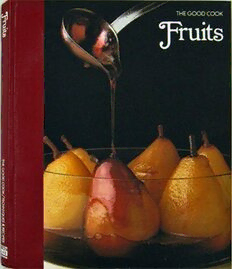
Cover, Just before serving, whole peeled pears
ore cooled in o glistening sauce derived from their own
cooking liquid. The pears were tenderized by gentle
poaching in o cinnamon-spiced sugar syrup. Red wine,
added for the lost lew minutes of cooking, contributes
color ond flavor to the sauce (p oges 40-4 l).
Time-Life Books Inc. CHIEF SERIES CONSULTANT PHOTOGRAPHERS
. is o wholly owned subsidiary of Richard Olney, on Ameri A/do Tutino has worked in Milan, New York City
TIME INCORPORATED
can, has lived and worked and Washington, D.C. He has received o number
founder, Henry R. Luce 1898-1967 for some three decodes in of awards for his photographs from the New York
France, where he is highly Advertising Club.
Editor-in-Chief, Henry Anatole Grunwald regarded os on authority Bob Komar is o Londoner who trained ot both the
President, J. Richard Munro
on food and wine. Author Hornsey and Manchester Schools of Art. He spe
Chairman of the Boord, Rolph P. Davidson
Executive Vice President, Clifford J. Grum of The French Menu Cook cializes in food photography and in portraiture.
Editorial Director, Rolph Groves book and of the award INTERNATIONAL CONSULTANTS
Group Vice President, Books, Joan D. Manley winning Simple French GREAT BRITAIN. Jane Grigson has written o number of
Food, he has also contrib
books about food and has been o cookery corre
uted to numerous gastro
spondent for the London Observer since 1968. A/on
TIME-LIFE BOOKS INC. nomic magazines in
Davidson is the author of several cookbooks and
Editor, George Constable Executive Editor, George Daniels France and in the United
Director of Design, Louis Klein Boord of Edttors, Dole M. States, including the influential journals Cuisine et the founder of Prospect Books, which specializes
EBlrleonw nP,h Tillhiposm, aGse Arr.y L Secwhisre, mMpa, rGtine Mroaldn nS,im Roonbse,r tR Gos.a Mlinads on, hVainss ddier eFcrtaendc ec aonodk inlog Rceovuures edsu iVn inF rdaen cFera annced. tHhee FinR AsNcChEo laMrliych peul bLleicmaotinonniesr ,a bthoeu tc ofofooudn adnedr aconodk veircye.
Stubenberg, Kit von Tulleken Director of Administration, president of Les Amities Gostronomiques lnterno
David L. Harrison Dtrector of Research, Carolyn L. Sackett United States and is o member of several distin tionoles, is o frequent lecturer on wine and vine
Director of Photography, John Conrad Weiser guished gastronomic and oenologicol societies, in yards. GERMANY: Jochen Kuchenbecker trained as o
Design, Arnold C. Holeywell (assistant director), Anne B. cluding La Confrerie des Chevaliers du Tostevin, chef, but worked for 10 years os o food photogra
Landry (art coordinator), James J. Cox (quality control) L'Acodemie lnternotionole du Vin, and Lo Com pher in several European countries before opening
Research, Jane Edwin (assistant director), Louise D. Forstoll monderie du Bontemps de Medoc et des Groves. his own restaurant in Homburg. Anne Brokemeier is
Copy Room, Dione Ullius (director), Celio Beattie Working in London with the series editorial staff, he
PPreotedru clnticohno, uFteelgicuiaizn o Madrid (director), Gordon E. Buck, thhaiss vboeleunm eb,a asincda lhlya rse ssuppoenrsvibisleed f othr eth fein apll asnenleincgti oonf Mthaes sciom-oa uAtlhboerri noif iso on uwmeblle-krn oofw cno fookobdo owkrsite. rI TaAnlYd:
journalist with o special interest in culinary history.
of recipes submitted by other consultants. The Unit His many books include lo Tovolo oll'ftoliono, 4000
President, Reginald K. Brock Jr. Executive Vice President, ed States edition of The Good Cook has been re Anni o Tovolo and 100 Ricette Storiche. THE NETHER·
John Steven Maxwell Vice Presidents, George Artondi, vised by the Editors of Time-Life Books to bring it LANDS: Hugh Jons has published cookbooks and his
Stephen L. Boir, Peter G. Barnes, Nicholas Benton, John L. into accord with American customs and usage. recipes appear in several Dutch magazines.
Co novo, Beatrice T. Dobie, Christopher T. Linen, James L.
Mercer, Paul R. Stewart CHIEF AMERICAN CONSULTANT
Carol Cutler is the author of o number of cook
books, including the award-winning Six-Minute
THE GOOD COOK Souffle and Other Culinary Delights (republished os
The original version of this book wos created in London Cuisine Roptde). During the 12 years that she lived
for Time-Life Books B.V. in France, she studied ot the Cordon Bleu and
European Editor: Kit von Tu lleken Destgn Director: Ed
Skyner Photography Dtrector: Pamela Morke Chief of the Ecole des Trois Gourmondes, os well os with
Research, Vanessa Kromer Chtef Sub-Editor: lise Gray private chefs. She is o member of the Cercle des
Chief of Editonol Production: Ellen Brush Quality Control: Gourmettes, o long-established French food soci
Douglas Whitworth ety limited to 50 members, ond is o charter member
of Les Domes d'Escoffier, Washington Chapter. Correspondents: Elisabeth Kraemer (Bonn); Margot
Hopgood, Dorothy Bacon (london); Miriam Hsio, Lucy T.
Stoll for fruits: Editor, Ellen Galford Series Coordinator, SPECIAL CONSULTANTS Voulgoris (New York); Moria Vincenzo Aloisi, Josephine du
Debbie Litton Text Editors: Louise Eorwoker (principal), Jolene Worthington received degrees from the Culi Brusle (Paris); Ann Notonson (Rome).
Nicoletta Flessoti Anthology Editor: Tokunbo Williams Valuable assistance wos also provided by: Jonny Hovinga
Stoll Writers, Alexandra Corlier, Solly Crawford, Eluned nary Institute of America in Hyde Pork, New York, (Amsterdam); Berta Julio (Barcelona); Bono Schmid
James Researchers, Caroline Bourn (principal), Debra Rood and worked as o restaurant chef for many years. (Milan); Mimi Murphy (Rome).
Designer, Mary Staples Sub-Editors: Kate Conn, Charles Formerly the Test Kitchen Chef in recipe develop
Boyle, Frances Dixon, Solly Rowland Editorial Deportment, ment ot Cuisine magazine, she contributes articles
Judith Heaton, Lesley Kinahan, Stephanie Lee, Debra to food magazines and conducts cooking classes 1!:1 1983 Tome-tole Books BV
Lelliott, Jane Lillicrop, Lindo Mollett, Janet Matthew, Sylvia in Chicago. She has been responsible for demon N1!:1 o1 p98o3ri Toofm theo·lso fbeo Booko mkso yIn bc.e A rlel prorgohdtus creedse irnv eodn.y form or by ony elec·
Osborne, Ros Smith, Molly Sutherland strating most of the step-by-step photogrophtc se tronic or mechoniCOI meons, 1nclud,ng information storage and re·
quences in this volume. trievol devices or systems, w1thout prior written permission from the
U.S. Stoll for Frutts: Editor: Gerry Schremp Designer: Ellen Pot Alburey is o member of the Association of Fpourbstl opsrhonerro, negx cPerpinltlehdo lo nb rUoe.Sf pAo. ssoges moy be quoted for reviews
Robling Chief Researchers, Barbaro Fleming, Barbaro Levitt Home Economists of Great Britain. Her wide expe Publoshed simuhoneously on Conodo
Associate Edttor: Christine Schuyler (pictures) Writers, rience includes preparing foods lor photography, School ond lobrory doslrobullon by Solver Burdell Com pony,
Lynn R. Addison, Deborah Berger-Turnbull, Roche\ Cox, teaching cookery and creating recipes. She was re Morrosrown, New Jersey 07960
Rita Mullin Researchers, Tina Ujloki (techniques), sponsible for many of the step-by-step demonstra TIME·LIFE os o lrodemork of Tome lncorporoled U.S.A.
Jane Honno (anthology), Ann Ready Assistant Designer: tions in this volume.
Peg Schreiber Copy Coordinators: Allan Follow, To nno David Schwartz has run restaurants in Boston and For •nformohon obour ony T.me·life book, please wnte:
Gibert, Nancy Lendved Picture Coordmator, Betty H. Reeder lnformoloon, Time·lofe Books
Weotherley Editorial Assistants, And reo Reynolds, Patricio London, and is the author of o book about choco 541 NMh Foorbonks Court, Chocogo, Illinois 60611
Whiteford Special Contnbutors, Leslie M. Marshall, late. He prepared some of the dishes for the photo
Lydia Preston graphs in this volume. library of Congress CIP dolo, poge 176.
- -- - - -- - - -CONTENTS-- - - - - - - - -
INTRODUCTION 5 Nature's sweet bounty I Favorites from the orchard I A
panoply of pitted fruits I Melons: Cool and refreshing I The citrus
family: Tart and sweet I Soft fruits: A multiplicity of tastes and
25 te1xture s I Simple steps to smooth purees I Creating clear
juices/ Mellow companions founded on egg yolks
RAW-FRUIT PRESENTATIONS Capturing freshness and flavor I Artful handling for single
2 fruits I Fresh-fruit mixtures in natural shells I Melon containers
for fruit medleys /The pleasing partnership of fruit and
cream I Cheese: The perfect counterpoint I Strawberries
and shortcake: Traditional companions
POACHING, STEWING AND STEAMING 39 Moist heat for succulent fruit creations/Steeping and
poaching for tender results I Composing perfect
3
compotes I Adjusting the timing to suit the fruit I Fruit-filled
dumplings gently simmered ITe nder blueberries
in cream-cheese pancakes I A steamed fig pudding
FRYING 51 Sizzling fruits to enhance delicate flavors I Three variations
on the sauteed fruit dessert I A mixed saute of tropical
fruits I Sweetened peaches in flaming spirits I Caramelized
5Ll apples cloaked in cream I Deep-fried fritters in crisp
caramel jackets I Fried puffs of fruit-filled chou paste
BAKING AND BROILING Traditional methods for diverse delights/ Simple baking for
5sturdy fr uits I Whole fruits wrapped in pastry I Crisps and
cobblers: Fruits baked under cover I Prunes
and raisins enveloped in batter I Souffles: Puffed
fruit concoctions I Fruits broiled under mellow toppings
MOLDED AND FROZEN DESSERTS 73 From simple jellies to opulent assemblies I A shimmering ring
of fruit and jelly I Foamy fruit puddings I A multi-textured
assembly I Brilliant colors in a formal pattern /Water
ices with a tropical tang I Peach ice in a tulip-shaped
cup I A cherry ice-cream baked Alaska
ANTHOLOGY OF RECIPES 89 Apples, pears and quinces 90 I Peaches, apricots, nectarines and mangoes 101 I
Plums, cherries and dates 107 I Berries and grapes 112 I Melons 126 I Citrus
fruits 128 I Guavas, prickly pears, kiwi fruits and figs 139 I Bananas 141 I
Pineapples, papayas, passion fruits and pomegranates 144 I Rhubarb and
persimmons 148 I Dried fruits 150 I Mixed fruits 156 I Standard preparations 162
RECIPE INDEX 168
GENERAL INDEX I GLOSSARY 171
RECIPE CREDITS 174
ACKNOWLEDGMENTS AND PICTURE CREDITS 176
4
- - -- - - -- -INTRODUCTION------- - -
J'Iature's Sweet GJ3ounty
Fruit, in all its richly hued and succulent variations, is perhaps kinds of apples, and four kinds of pears, are relatively easy to
the purest expression of the earth's largesse. The most accessi obtain regardless of the time of year they are harvested. This is
ble offoods, it is infinitely satisfying in its pristine form: What because both fruits respond well to controlled-atmosphere stor
confectioner, after all, could concoct a treat more luscious than a age, which provides a refrigerated environment abnormally low
freshly picked raspberry? At the same time, fruit readily lends in oxygen and high in carbon dioxide and nitrogen. The altered
itself to transmutation by the culinary arts. atmosphere slows the picked fruit's final ripening stage, thus
The pages that follow feature fruit as the primary ingredi lengthening the fruit's life cycle.
ent in all manner of dishes, from simple compotes to a splendid The effective use of refrigeration in shipping has increased
fruit-based baked Alaska. First, a series of illustrated guides the availability of almost every kind of fruit, including many
provides basic information on the entire spectrum of fruits that could be enjoyed only in the tropics just a few decades ago.
the everyday apple and peach as well as the exotic cherimoya For example, chilled cherimoyas, mangoes and guavas from
and papaya. These guides explain how to distinguish a ripe fruit Latin America and the West Indies now regularly arrive in the
from an immature one, how to store the fruit you purchase, and United States and Canada by airplane and by refrigerated truck
how to peel, core and otherwise prepare it for eating or cooking. to supplement the supplies from North American farmers.
The section concludes with demonstrations of techniques to be Similarly, kiwi fruit is flown from New Zealand and the
used for pureeing fruit and juicing it, and for producing cus Granny Smith apple from South Africa, where an exceptionally
tards as enhancements. long apple-growing season produces the best-tasting speci
The book's first chapter addresses ways of presenting fruit mens of this variety.
raw-shaping pineapple into boats, sculpting a watermelon
basket for summer fruit, assembling an old-fashioned straw Fruit in the menu
berry shortcake. The second chapter is devoted to cooking fruits Within the structure of a meal, fruit traditionally appears
gently with moist heat: pears poached in wine; plum dump in the guise of a sweet dessert. But it can perform delightfully in
lings; steamed fig pudding. The third deals with sauteing and other roles as well. Unadorned grapefruits, melons or figs are
deep frying. The fourth introduces techniques for baking and delectable as hors d'oeuvre. A fresh-fruit macedoine, or sal
broiling, with special attention given to methods of protect ad, can make up the centerpiece-or the entirety- of a light
ing delicate fruit from the dry heat of the oven. The last chap lunch. And raw fruit served with cheese may be preferable to a
ter features a wide variety of fruits presented in molded sweet fruit concoction at the end of either a simple repast or
and frozen forms. a more formal menu.
Finally, the second half of the book offers the reader an When fresh fruit is presented as a first course, the best
anthology of more than 200 fruit recipes, garnered from coun wine to accompany it is a crisp, young white one, still full of
tries throughout the world and representing the culinary litera its own fruit-a Sancerre from the Loire Valley, for example,
ture and traditions of the past as well as the finest available or perhaps a Chenin Blanc. For a final course of assertive
contemporary sources. cheese and firm-fleshed fruit such as apples or pears, the selec
Most of the fruits we eat today can be traced through several tion might be a full-bodied Italian Bardolino or a California Zin
millennia of cultivated ancestors. Apples are an outstanding fandel; for mild cheese with grapes, choose an Alsatian or
example of what horticulturists can achieve. The Roman histo American Riesling.
rian Pliny knew of a dozen varieties; the Europeans of the Mid The best partner for a lush fruit dessert is a "noble rot" wine
dle Ages, a few score; and each century of cultivation added its such as a French Sauternes or a Hungarian Tokay Aszu; these
own improvements at an increasing rate until, by 1911, The are made from grapes whose sugar content has been concentrat
Encyclopaedia Britannica could confidently claim that 2,000 ed by evaporation-the result of fungus piercing their skins in
named varieties were in existence. Today the number is far an advanced stage of ripeness. Remember, though, that desserts
greater, and growing at such a pace that an accurate count served with these opulent wines should be less sweet than the
would be impossible. wine itself and, preferably, less cold; serving wine with a fruit
Needless to say, no supermarket can stock-or even ac water ice, for example, will do justice neither to the wme
quire-so many varieties of the same fruit, but at least six nor to the dessert.
5
INTRODUCTION
Favorites from the Orchard
No fruit is grown in greater volume and
Golden Delicious opple in more varieties than the apple, whose
singular adaptability makes it equally
popular for eating raw or for using in
cooked preparations of every sort. The
apples at left are a sampling of varieties
commonly available. The Red and Gold
en Delicious are the sweetest; the Mc
Intosh is crisp, juicy and sweet, with
tangy overtones. Rome Beauties are sub
tly sweet, firm and slightly dry, while the
green Granny Smith is crunchy and tart.
In spite of their differences, these ap
ples can generally be used interchange
ably-depending on the sweetness de
sired. The exception is the Mcintosh,
which loses its shape during cooking.
The two smallest members of the apple
family are less versatile. The crab apple
Granny Smith apple
Anjou pear
Comice pear
6
is too tart to be eaten raw, but it makes during late autumn and early winter, the
delicious jellies or pickles and can add bitter quince is used mainly for jellies,
tang to a sweet apple cobbler or pudding. and for lending tartness to puddings and
The diminutive lady apple-crisp, sweet compotes based on sweeter fruits.
and dry-ornaments a fruit bowl, but is 0 How to shop: Choose mature and fully
costly to use for cooking. Compared with ripe apples and quinces; they should be
most apples, which can be stored for firm, free of bruises and have good color.
months and are available all year, crab Buy firm, slightly underripe pears if they
and lady apples are marketed only when will be used for cooking; for eating raw,
harvested in late fall and early winter. select pears with good color that have be
Like apples, pears are firm-fleshed, gun to soften at the stem end.
with a central seedy core. The varieties 0 Storing: Store underripe pears away
at left can be served raw or cooked. How from direct sunlight in perforated paper
ever, the spicily sweet Cornice, with its bags. Refrigerate ripe fruits: Pears will
fine-grained, juicy flesh, and the musky, keep for three to five days, apples for at
smooth-textured Bartlett are considered least a week, quinces for several weeks.
best for eating raw. The spicy Anjou and 0 Preparation: Rinse firm-fleshed fruits
mildly sweet Bose have the firmest flesh, before serving them with their skins in
Using a corer. Peel the apple- in
making them ideal for baking. tact. If the fruits are peeled, drop them in
this case, a Mcintosh- with a vegetable
Pears are available for most of the acidulated water-5 or 6 tablespoons [75 peeler or a small, sharp knife. Stand
year- the Bartlett from midsummer to or 90 ml.] of lemon juice per quart [liter] the apple, stem end up, and plunge an
December and the Anjou, Bose and Co of water-to prevent discoloration. apple corer down through its center.
mice from autumn through spring. Less Pears and most apples can be cored Then lift the apple in one hand and twist
common varieties are available mainly whole with an apple corer, or they can be the corer, gently pulling out both the
corer and the core. Immediately put the
in autumn, when they are harvested. cut in half and cored with a melon bailer.
apple in acidulated water.
The quince is tough and dry compared Both crab apples and quinces should be
with its juicier cousins. Available only quartered and cored with a knife.
A Routine for Handling Pears Preparing a Quince
l Peeling. With a vegetable peeler or 2 Coring. Cut the pear in half Coring and peeling. Cut the
a small, sharp knife, peel strips in a circle lengthwise and scoop out the core from quince lengthwise into quarters. Working
around the wide end of the pear- each half with a melon bailer. Then from the stem end to the base, carve
here, a Bartlett. Then, starting at the grasp one end of the fibrous stem and the core out of each section. Then,
center, peel straight toward the pull it away from the pear. If portions starting at the base and working back
stem end. Using this two-part technique of stem remain, slice a shallow, V to the stem end, peel the skin from
removes the skin without ruining the shaped groove along the length of the the outside of the section. Drop the
pear's graceful contours. fruit to cut them out. Place the pear quarters into acidulated water.
sections in acidulated water.
7