
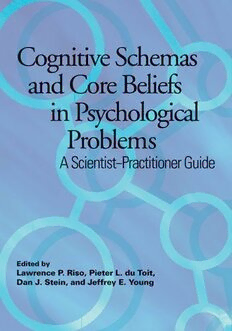
Download Cognitive schemas and core beliefs in psychological problems: A scientist-practitioner guide PDF Free - Full Version
Download Cognitive schemas and core beliefs in psychological problems: A scientist-practitioner guide by Lawrence P. Riso, Pieter L. du Toit, Dan J. Stein, Jeffrey E. Young in PDF format completely FREE. No registration required, no payment needed. Get instant access to this valuable resource on PDFdrive.to!
About Cognitive schemas and core beliefs in psychological problems: A scientist-practitioner guide
Cognitive approaches to psychopathology have evolved from a primary focus on superficial cognition and automatic thoughts to an increased interest in more deeply rooted aspects of cognition, namely, cognitive schemas and core beliefs. Rather than simply focusing on the remediation of acute clinical states, the latest cognitive models are examining premorbid and post-episodic functioning. Findings suggest that cognitive schemas play a principal role in the development and maintenance of psychological disorders, as well as in the recurrence and relapse of future episodes.This book provides up-to-date information on the evaluation and utility of the schema concept and core beliefs as they apply to the research and treatment of a variety of clinical problems, including both major and chronic depression, posttraumatic stress disorder, substance use disorders, obsessive-compulsive disorder, schizophrenia, eating disorders, and dissatisfaction in intimate relationships.
Detailed Information
| Author: | Lawrence P. Riso, Pieter L. du Toit, Dan J. Stein, Jeffrey E. Young |
|---|---|
| Publication Year: | 2007 |
| ISBN: | 9781591477822 |
| Pages: | 240 |
| Language: | English |
| File Size: | 12.532 |
| Format: | |
| Price: | FREE |
Safe & Secure Download - No registration required
Why Choose PDFdrive for Your Free Cognitive schemas and core beliefs in psychological problems: A scientist-practitioner guide Download?
- 100% Free: No hidden fees or subscriptions required for one book every day.
- No Registration: Immediate access is available without creating accounts for one book every day.
- Safe and Secure: Clean downloads without malware or viruses
- Multiple Formats: PDF, MOBI, Mpub,... optimized for all devices
- Educational Resource: Supporting knowledge sharing and learning
Frequently Asked Questions
Is it really free to download Cognitive schemas and core beliefs in psychological problems: A scientist-practitioner guide PDF?
Yes, on https://PDFdrive.to you can download Cognitive schemas and core beliefs in psychological problems: A scientist-practitioner guide by Lawrence P. Riso, Pieter L. du Toit, Dan J. Stein, Jeffrey E. Young completely free. We don't require any payment, subscription, or registration to access this PDF file. For 3 books every day.
How can I read Cognitive schemas and core beliefs in psychological problems: A scientist-practitioner guide on my mobile device?
After downloading Cognitive schemas and core beliefs in psychological problems: A scientist-practitioner guide PDF, you can open it with any PDF reader app on your phone or tablet. We recommend using Adobe Acrobat Reader, Apple Books, or Google Play Books for the best reading experience.
Is this the full version of Cognitive schemas and core beliefs in psychological problems: A scientist-practitioner guide?
Yes, this is the complete PDF version of Cognitive schemas and core beliefs in psychological problems: A scientist-practitioner guide by Lawrence P. Riso, Pieter L. du Toit, Dan J. Stein, Jeffrey E. Young. You will be able to read the entire content as in the printed version without missing any pages.
Is it legal to download Cognitive schemas and core beliefs in psychological problems: A scientist-practitioner guide PDF for free?
https://PDFdrive.to provides links to free educational resources available online. We do not store any files on our servers. Please be aware of copyright laws in your country before downloading.
The materials shared are intended for research, educational, and personal use in accordance with fair use principles.

