Table Of ContentA Community Resource Persons’ Training Guide:
Improving Food and Nutrition Security through Banana-based
Farming Systems and Foods
1 2
Ekesa, Beatrice (corresponding author); Johnson, Vincent ; Kennedy,
3 1 4 1
Gina ; Nabuuma, Deborah ; Van den Bergh, Inge and Ocimati, Walter
1
Bioversity International, Plot 106 Katalima Road, Naguru, P.O. Box 24384, Kampala,
Uganda.
2
Bioversity International, Parc Scientifique Agropolis II , 34397 Montpellier Cedex 5, France.
3
Bioversity International, Via dei Tre Denari, 472/a - 00054 Maccarese, Rome, Italy.
4
Bioversity International, C/O KULeuven, W. De Croylaan 42, bus 2455, 3001 Leuven,
Belgium.
March 2017
Bioversity International is a global research-for-development organization that
envisions agricultural biodiversity nourishing people and sustaining the planet. We
deliver scientific evidence, management practices and policy options to use and
safeguard agricultural and tree biodiversity to attain sustainable global food and
nutrition security. We work with partners in low-income countries in different regions
where agricultural and tree biodiversity can contribute to improved nutrition,
resilience, productivity and climate change adaptation.
www.bioversityinternational.org
Bioversity International is a CGIAR Research Centre. CGIAR is a global research
partnership for a food-secure future. Its science is carried out by 15 Research Centers
in close collaboration with hundreds of partners across the globe.
www.cgiar.org
HarvestPlus improves nutrition and public health by developing and promoting
biofortified food crops that are rich in vitamins and minerals, and providing global
leadership on biofortification evidence and technology. www.harvestplus.org.
The CGIAR Research Program on Agriculture for Nutrition and Health (A4NH),
led by the International Food Policy Research Institute (IFPRI), helps realize the
potential of agricultural development to deliver gender-equitable health and
nutritional benefits to the poor. www.a4nh.cgiar.org.
The CGIAR Research Program on Roots, Tubers and Bananas (RTB), led the
International Potato Centre (CIP), is a broad alliance of research-for-development
stakeholders and partners. Our shared purpose is to tap the underutilized potential
of root, tuber, and banana crops for improving nutrition and food security, increasing
incomes and fostering greater gender equity – especially amongst the world’s poorest
and most vulnerable populations. www.rtb.cgiar.org.
Photographs on the cover
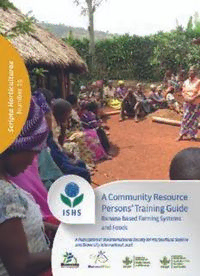
Front: Bioversity International/M. Kamira (Nutrition workshop in Burundi)
Rear: Bioversity International/D. Nabuuma
ISSN 1813-9205 (print) 2506-9780 (electronic)
ISBN 978-94-6261-146-7, Scripta Horticulturae Number 19
Published by ISHS, March 2017
Executive Director of ISHS: Ir. J. Van Assche
ISHS Secretariat, PO Box 500, 3001 Leuven 1, Belgium
Printed by Drukkerij Station Drukwerk, PO Box 3099, 2220 CB Katwijk aan Zee, The Netherlands
©2017 by the International Society for Horticultural Science (ISHS). All rights reserved. No part of
this book may be reproduced and/or published in any form or by any means, electronic or mechanical,
including photocopying, microfilm and recording, or by any information storage and retrieval system,
without written permission from the Publishers and the Chief Editor.
ii
Contents
List of Figures ......................................................................................................................................... vi
Acknowledgements ............................................................................................................................. vii
Acronyms ............................................................................................................................................... viii
Expected outcomes .............................................................................................................................. ix
Introduction ............................................................................................................................................. 1
Overview of the Training Guide ....................................................................................................... 1
Training program ............................................................................................................................... 2
1. Introduction session ................................................................................................................. 3
Welcome and participant introductions ..................................................................................... 3
Objectives and overview of the training ................................................................................... 3
Roles of the community trainers .................................................................................................. 4
Activity ............................................................................................................................................... 4
2. Food security ............................................................................................................................... 5
Food security ....................................................................................................................................... 5
Introduction to food security (30 minutes) ............................................................................. 5
Strategies of Enhancing Household Food Security (2 hrs 40 minutes) ........................ 7
1. Acquiring Knowledge related to food security (20 minutes) ............................. 8
2. Improving food production (20 minutes) ................................................................. 8
4. Improving food storage and preservation (20 minutes) .................................... 9
5. Improving budgeting for food (40 minutes) .......................................................... 10
6. Improving incomes (15 minutes) .............................................................................. 12
7. Gathering/trapping/hunting wild foods (15 minutes) ........................................ 12
Group Activity (30 minutes) .................................................................................................... 13
3. Basics in Nutrition and Dietary combinations ............................................................... 14
3.1 Basics in Nutrition .................................................................................................................... 14
Introduction to Nutrition concepts and nutrients (20 minutes) ................................. 14
What is nutrition? ........................................................................................................................ 14
Good nutrition is important for: ............................................................................................. 15
Types of nutrients ....................................................................................................................... 15
iii
Nutrients, functions and sources (40 minutes) .................................................................... 16
1. Carbohydrates ......................................................................................................................... 16
2. Fats and oils ............................................................................................................................. 17
3. Proteins ...................................................................................................................................... 20
4. Vitamins and Minerals .......................................................................................................... 21
5. Water .......................................................................................................................................... 23
Activity ............................................................................................................................................. 23
3.2 Making balanced family meals ............................................................................................ 24
Balanced meal................................................................................................................................... 24
The Food Pyramid ............................................................................................................................ 26
Eating away from home ................................................................................................................ 27
Sharing meals ................................................................................................................................... 28
Meeting the Food Needs of Different Family Members ..................................................... 28
Infants from birth to 6 months of age ................................................................................. 28
Infants from 6 to 12 months of age ..................................................................................... 29
Children aged 1 to 5 years ....................................................................................................... 30
School-age children .................................................................................................................... 31
Pregnant or breastfeeding women ........................................................................................ 32
The elderly...................................................................................................................................... 33
Group activity (45 minutes) .................................................................................................... 33
4. Production and utilisation of bananas .............................................................................. 34
4.1 Management of banana plantations ..................................................................................... 34
Field preparation .............................................................................................................................. 34
Planting material .............................................................................................................................. 35
Planting ................................................................................................................................................ 37
Field management ........................................................................................................................... 37
Weed control ..................................................................................................................................... 37
Mulching .............................................................................................................................................. 38
Mat management ............................................................................................................................. 38
Intercropping ..................................................................................................................................... 39
Soil and water conservation ........................................................................................................ 40
iv
Diseases .............................................................................................................................................. 40
Activity ............................................................................................................................................. 41
4.2. Harvest and Storage ................................................................................................................. 42
Harvesting .......................................................................................................................................... 42
Storage ................................................................................................................................................ 43
Group activity (30 minutes) .................................................................................................... 43
4.3. Nutrient value of bananas and plantain ........................................................................ 44
4.4. Appropriate processing/cooking methodologies ............................................................. 45
Processing & Cooking methods-banana/plantain based foods ....................................... 45
Activity ............................................................................................................................................. 46
5. Food safety and hygiene ............................................................................................................. 47
Why foods and drinks must be safe and clean ..................................................................... 47
Personal hygiene .......................................................................................................................... 48
Clean and safe water .................................................................................................................. 49
Buying and storing food ............................................................................................................ 49
Preparing food .............................................................................................................................. 49
Hygiene around the home ........................................................................................................ 50
Toxins and chemicals ..................................................................................................................... 50
Activity ............................................................................................................................................. 51
6. Planning the community outreach training .......................................................................... 52
Appendices ............................................................................................................................................. 54
Appendix 1. Nutrient needs of different family members .................................................... 55
Appendix 2. Recipes for Banana and Plantain .......................................................................... 56
Katogo .............................................................................................................................................. 56
Plantain in Palm Oil ..................................................................................................................... 56
Fried Plantains .............................................................................................................................. 57
Ndizi na Nyama (Plantains with Meat) ................................................................................ 57
Stewed green bananas .............................................................................................................. 58
Banana flour .................................................................................................................................. 59
Banana porridge ........................................................................................................................... 59
References .............................................................................................................................................. 60
v
Other information sources consulted but not specifically cited ......................................... 60
List of Figures
Figure 1. Improved grain cribs with thatch covered walls and rat guards ...................... 9
Figure 2. example sources of carbohydrates: .......................................................................... 17
Figure 3. Examples of saturated fat ............................................................................................. 19
Figure 4. Examples of unsaturated fat ........................................................................................ 19
Figure 5. Example sources of animal protein ........................................................................... 20
Figure 6. Example sources of plant protein ............................................................................... 21
Figure 7. Example sources of vitamins and minerals ............................................................ 22
Figure 8. The food pyramid ............................................................................................................. 26
Figure 9. Appropriate consistency or thickness of food for infants is important ......... 30
Figure 10. Children have special nutrient needs ..................................................................... 31
Figure 11. Preparation of planting holes .................................................................................... 35
Figure 12. Planting material awaiting preparation before planting .................................. 36
Figure 13. Paring (removing of roots) from a sucker ............................................................ 37
Figure 14. Provide support to the plants with maturing bunches ..................................... 39
vi
Acknowledgements
The authors would like to express their gratitude to the many people who
interacted with them during the development of this manual; to all those who
provided support, talked things over, read, wrote, offered comments, allowed us
to quote their remarks and assisted in the editing, proofreading and designing.
Particular thanks go to our key partners (logos below) in Burundi (Institut des
Sciences Agronomique du Burundi-ISABU); the Democratic Republic of Congo,
(South Kivu, Institut National pour l’Etude et la Recherche Agronomique-INERA)
and North Kivu, (Université Catholique du Graben -UCG); and Tanzania (Lake
Zone Agricultural Research and Development Institute - LZARDI). Thanks to the
community members from banana-growing regions of Eastern DRC , Burundi and
Uganda among whom this manual has been tested and thus providing
opportunities for revising and improving. We would also like to acknowledge the
critical support of HarvestPlus Challenge Program, and more recently that of the
CGIAR Fund Donors (www.cgiar.org/who-we-are/cgiar-fund/fund-donors-2)
and the specific CGIAR research programmes (CRPs) Agriculture for Nutrition and
Health (A4NH) and Roots Tubers and Bananas (RTB). Our thanks also go to
Bioversity International who provided staff time and other resources to support
developing and publishing this manual.
vii
Acronyms
A4NH Agriculture for Nutrition and Health
CRPs CGIAR research programmes
IFPRI International Food Policy Research Institute
INERA Institut National pour l’Etude et la Recherche Agronomiques
ISABU Institut des Sciences Agronomique
Kcal Kilo calories
Kg Kilograms
LZARDI Lake Zone Agricultural Research and Development Institute
Mg miligrams
µg micrograms
RTB Roots Tubers and Bananas
TOT Trainer of Trainers
UCG Université Catholique du Graben
viii
Expected outcomes
This Training Guide is intended to build capacity of community-level resource
persons to transfer knowledge on basic concepts regarding nutrition,
appropriate dietary patterns and the use of existing farming systems for better
household nutrition, especially for communities dependent on bananas.
In referring to this manual, the community resource persons will be able to
draft action plans to transfer the information gained to community members.
The expected impact is that enhanced knowledge on the links between agri-
culture, nutrition and health, formation and/or upgrading of existing home
gardens into comprehensive gardens as well as proper dietary and health
practices will eventually lead to enhanced nutrition and health status.
ix